My home is plagued by damp, how can I sell it?
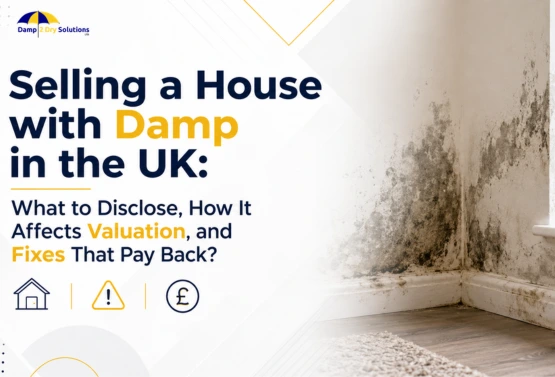
That knot-in-the-stomach feeling is something thousands of UK homeowners face every year. And the worry is legitimate in the cautious 2026 property market. Selling a house with damp in the UK can cost you far more than the damp itself! Buyers don’t just see a problem; they see a discount, and they’ll price it accordingly.
The Housing Ombudsman made 26,901 interventions in 2024-25 to put things right across social housing complaints. A full 40% of all compensation ordered or recommended was directly linked to leaks, damp, and mould, making it the single largest category of financial redress in the social housing sector.
But here’s the thing! Selling a house with damp in UK is entirely possible, but does damp devalue a house as badly as buyers want you to believe?
The outcome depends almost entirely on three things: what you disclose and when, how the damp is affecting your valuation, and whether the fixes you make actually earn their money back.
This guide walks you through all three, so you can go into your sale clear-eyed and in control!
Key Takeaways
- Property damp can reduce home value by 10%–50%, depending on severity, structural damage, and the cost of repairs required before sale.
- The Housing Ombudsman reported 26,901 interventions in 2024–25, with 40% of compensation linked directly to leaks, damp, and mould complaints.
- Independent damp surveys, repair warranties, and detailed documentation packs significantly improve buyer confidence and reduce the risk of failed property sales.
- Trying to hide damp problems with cosmetic fixes can lead to mortgage refusals, collapsed deals, price renegotiations, or even legal disputes after completion.
- Damp2DrySolutions helps homeowners protect property value through professional damp-proofing, rising damp repair, ventilation upgrades, waterproofing systems, and long-term moisture control solutions before selling.
Is Selling a House with Damp in the UK Possible?
Yes, selling a house with damp in UK is still possible, but damp issues can significantly affect buyer confidence, mortgage approvals, survey outcomes, and final sale price.
Usually, buyers become cautious once damp appears in a survey report because they worry about hidden structural damage, future repair costs, and potential health risks.
The most important question people ask is “Does damp devalue a house?”
Yes, it can reduce a property’s value anywhere between 10% and 50%, depending on severity, affected areas, and repair complexity. Minor condensation or isolated mould patches may only lower offers slightly, while widespread rising damp, timber decay, or penetrating moisture can lead to major renegotiations or failed sales.
Mortgage lenders also closely assess damp-related risks. If surveyors identify serious moisture problems, buyers may face “mortgage refused damp UK” situations until specialist damp reports or repairs are completed.
What to do if Damp on House Survey Buyer Pulled Out?
Damp does not automatically stop a sale. Many homeowners successfully protect value by fixing damp before selling, arranging an independent damp survey, and creating a detailed documentation pack containing:
- Damp survey reports
- Repair invoices
- Guarantees and warranties
- Ventilation improvements
- Contractor assessments
- Before-and-after photographs
Providing this evidence helps reassure buyers, reduces uncertainty during surveys, and improves the chances of maintaining the agreed sale price. Buyers and lenders are generally more comfortable when damp problems have been professionally diagnosed and properly managed rather than concealed or ignored.
Key Strategies for Selling a Damp Property
Selling a house with damp in UK is entirely possible! But it requires a smarter approach than a standard sale. The right strategy protects your asking price, keeps buyers confident, and reduces the risk of a deal falling apart mid-way through.
-
Be Honest and Transparent
You are legally required to disclose known damp issues on the TA6 Property Information Form. This is not optional. Under the Misrepresentation Act 1967 and the Consumer Protection from Unfair Trading Regulations 2008, withholding or misrepresenting damp can result in compensation claims, legal costs, or a collapsed sale.
-
Get an Independent Survey
Before listing, commission a professional, independent damp survey from a PCA-accredited or CSRT-qualified specialist to identify the root cause.
NOTE: Avoid free surveys from damp-proofing companies, as these carry a conflict of interest and are given little weight by mortgage lenders. An independent report puts you in control of the narrative before a buyer’s surveyor defines it for you.
-
Fix It or Price It In
Fixing damp before selling and providing warranties to prove the work is done is strategic. You can reduce your asking price to reflect the estimated repair costs, which typically range from £1,000 to £8,000 or more, depending on severity.
Pricing it in suits sellers with tighter timelines, but expect to target cash buyers and investors, who will negotiate harlidest and offer the steepest discounts.
-
Target the Right Buyer
Not every buyer is suited to a damp property. Mortgage-dependent buyers need the damp to be remediated and documented before their lender will release funds.
Cash buyers and property investors are the most practical route for unresolved issues; they move quickly and do not require lender sign-off, though their offers reflect the risk they are taking on.
-
Compile a Proof Pack
Keep detailed records of all surveys, invoices for repairs, and transferable, insurance-backed guarantees to demonstrate that the work carried out is high-quality and verified.
This documentation (shared proactively with buyers and their solicitors) removes the uncertainty that drives price reductions and last-minute withdrawals.
-
Work with an Experienced Estate Agent
Choose an agent who has sold properties with known defects before. An agent who understands damp can market the property honestly, answer buyer questions with confidence, and manage negotiations calmly when scenarios arise, rather than watching a deal unravel because the finding caught them unprepared.
Common Pitfalls When Selling A House With Damp In The UK
Failed Surveys and Buyer Withdrawals
Damp is one of the most common red flags identified during UK property surveys and a major reason property sales collapse. Buyers often become concerned about hidden structural damage, mould-related health risks, timber decay, and future repair expenses.
Mortgage Lenders Refusing Finance
One of the biggest problems with selling a house with damp in UK is lender hesitation. If a survey identifies severe rising damp, penetrating damp, rot, or unresolved moisture problems, banks may refuse to lend entirely or request specialist damp reports before approving the mortgage.
Hiding Damp or Cosmetic Cover-Ups
Trying to hide damp by repainting walls, covering mould stains, or masking odours is a serious mistake. If buyers later discover concealed moisture problems, sellers may face misrepresentation claims, compensation demands, or legal disputes after completion.
Delaying Repairs Until After Listing
Waiting too long for fixing damp before selling often creates unavoidable delays during conveyancing. Once damp appears in a survey report, buyers usually request specialist inspections, repair quotes, or price renegotiations, which can extend the transaction significantly and weaken the seller’s negotiating power.
Using Non-Independent Damp Reports
Many sellers rely on “free” contractor surveys that buyers or lenders may see as biased because they are tied to repair sales. Independent damp surveys from PCA-accredited specialists are generally viewed as more credible during negotiations and mortgage assessments.
Ignoring Minor Warning Signs
Small problems like condensation, peeling wallpaper, musty smells, or mould around windows are often underestimated. However, surveyors increasingly treat these as potential indicators of larger hidden moisture issues behind walls, under flooring, or inside roof structures.
Damp-Proofing Solutions That Increase Property Value
Modern damp-proofing solutions do far more than remove visible moisture problems. They help protect structural integrity, improve indoor air quality, reduce future repair costs, and make properties more attractive to buyers and mortgage lenders. In many cases, professionally treated damp issues can significantly improve resale confidence and help preserve long-term property value.
Positive Input Ventilation (PIV) Systems
Positive Input Ventilation (PIV) systems are increasingly used to control condensation and mould growth in UK homes. These systems continuously introduce filtered fresh air into the property while pushing out stale, humid air. PIV systems are especially effective in homes suffering from condensation damp, black mould, and poor airflow.
Damp Proof Course (DPC) Installation
A damp proof course creates a moisture barrier inside walls to stop groundwater from rising through porous masonry. Modern DPC systems often use chemical injection creams or physical damp-proof membranes to prevent rising damp. Older UK properties built before modern damp-proofing regulations are especially vulnerable to DPC failure.
Masonry Protection and External Waterproofing
Masonry protection treatments are designed to shield brickwork and external walls from rain penetration and water absorption. These treatments include breathable water-repellent coatings, rendering repairs, repointing, and crack sealing systems that reduce penetrating damp without trapping moisture inside the structure.
Basement Tanking and Waterproof Membranes
For properties affected by basement moisture or lateral damp, waterproof tanking systems and damp-proof membranes are commonly installed. Tanking uses waterproof slurries or protective coatings to create moisture-resistant barriers on walls and floors, helping prevent water ingress in underground or below-ground spaces.
Ventilation and Condensation Control Upgrades
Poor ventilation is one of the leading causes of condensation damp in UK homes. Reliable damp-proofing specialists such as Damp2DrySolutions often recommend extractor fans, air bricks, humidity-controlled ventilation systems, loft ventilation improvements, and upgraded insulation.
Timber Preservation and Structural Protection
Long-term damp exposure can lead to wet rot, dry rot, timber decay, and weakening of structural woodwork. Many damp-proofing companies provide timber preservation treatments, fungal decay control, and structural repair solutions to prevent more serious damage.
Why Damp-Proofing Increases Property Value
Professionally treated damp issues reassure buyers, reduce the risk of failed surveys, and improve mortgage approval confidence. A damp-free property is generally easier to maintain, healthier to live in, and less likely to require costly future repairs.
How Damp2DrySolutions Can Help You Fix the Problem?
When it comes to selling a house with damp UK, getting the right treatment before listing your property can make a major difference in buyer confidence, survey results, and overall property value. Damp2DrySolutions provides practical and cost-effective damp-proofing services designed to help homeowners resolve moisture problems before they become expensive structural issues.
Their services include:
- Damp Proofing
- Rising Damp Repair
- Condensation and Mould Treatment
- Penetrating Damp Solutions
- Structural Damp Repairs
- Wet and Dry Rot Treatment
- Woodworm Treatment
- Basement Waterproofing
- DP Cream System Installation
- Dry Lining
- Basement and Cellar Conversions
Whether the issue is condensation, rising damp, or hidden structural moisture, the company focuses on identifying the root cause rather than simply covering visible damage. This becomes especially important when fixing damp before selling, as buyers and mortgage lenders now expect professional reports, long-term solutions, and evidence of completed repairs.
By combining damp surveys, targeted repairs, ventilation improvements, and protective waterproofing systems, Damp2DrySolutions helps homeowners improve indoor conditions, reduce future repair risks, and protect property value without unnecessary overspending.
FAQs
Can you legally sell a house with damp in the UK?
Yes, selling a house with damp UK is possible, but sellers must disclose known damp problems honestly. Damp issues may affect buyer confidence, mortgage approvals, and survey results, but professional surveys, repair documentation, and warranties can help maintain trust during the property sale.
Does damp reduce the value of a house?
Yes, severe damp can significantly reduce property value. The blog explains that does damp devalue a house depends on repair complexity, structural damage, and moisture severity. Minor condensation may slightly reduce offers, while rising damp or timber decay can lower values by 10%–50%.
Should I fix damp before selling my property?
In many cases, fixing damp before selling improves buyer confidence, reduces survey concerns, and helps prevent renegotiations. Sellers who provide repair invoices, guarantees, and professional damp surveys are usually better positioned to maintain their asking price and avoid collapsed property transactions.
What type of damp is most concerning to buyers?
Buyers are usually most concerned about rising damp, penetrating damp, timber decay, and hidden structural moisture damage. These issues often trigger “mortgage refused damp UK” situations because lenders worry about expensive repairs, future deterioration, and long-term property risks identified during surveys.
How much does damp treatment cost in the UK?
According to the blog, damp repair costs in the UK typically range from around £1,000 to £8,000 or more depending on severity, structural damage, and the type of treatment required. Larger rising damp or waterproofing projects usually involve higher repair expenses.
Do damp-proofing guarantees help during a property sale?
Yes, transferable damp-proofing guarantees and documented repair warranties help reassure buyers and mortgage lenders. They reduce uncertainty during surveys, strengthen buyer confidence, and lower the chances of situations where a “damp on house survey buyer pulled out” problem delays or collapses the sale.
What are common signs of damp in a property?
Common signs of damp include condensation, peeling wallpaper, mould around windows, musty smells, bubbling paint, and damp patches on walls or ceilings. The blog explains that even small warning signs may indicate hidden structural moisture problems beneath floors, roofs, or internal walls.